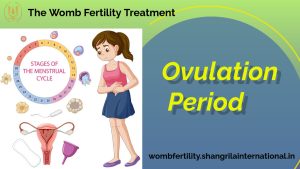
Ovulation period: when to try for baby:
You’re most fertile at the time of ovulation (when an egg is released from your ovaries), which usually occurs 12 to 14 days before your next period starts. This is the time of the month when you’re most likely to get pregnant.
Ovulation happens each month when your ovaries release an egg (or eggs), about halfway through your menstrual cycle. That doesn’t necessarily mean that you’ll ovulate on day 14 of a 28-day cycle.
The average cycle is actually closer to 30 days, can last anywhere from 25 to 35 days, and can vary slightly from month to month. Ovulation can even occur long after your last menstrual period.
It’s important to remember that sperm can sometimes survive in the body for up to 7 days after you have sex. If you ovulate within 7 days of having sex, there’s a chance you could get pregnant.
This means it may be possible to get pregnant soon after your period finishes if you ovulate early, especially if you have a naturally short menstrual cycle.
Signs of Ovulation :
Your body does a good job of letting you know when you’re ovulating. You might notice symptoms like:
An increased sex drive,
Breast tenderness,
Bloating,
Cramps, and
Light spotting.
Pay attention to these signs as they can help you figure out the best time to get pregnant
Using an Ovulation Test :
If you get your period on the same day every month (give or take a few days), you can use an over-the-counter ovulation kit, which works by detecting the hormone LH in your urine. As LH levels spike, or surge, you are about to ovulate. To predict ovulation, count 17-18 days backwards from when you would get a period in your shortest cycles. Then use an ovulation kit to test your LH levels beginning on that day.
Finding the Best Time to Get Pregnant :
If you want to get pregnant and you have regular periods, the best time to have sex is the day before you ovulate. You also have a good chance of conceiving in the five days leading up to as well as on the actual day of ovulation. Basically, the more often you have sex during this window, the better. Frequent intercourse means increased sperm and, since sperm quality has a short shelf life, it’s good to strike when it’s fresh.
Ovulation is when a mature egg is released from the ovary. The egg then moves down the fallopian tube where it can be fertilised. If sperm are in the fallopian tube when the egg is released, there is a good chance that the egg will be fertilised, creating an embryo, which can grow into a baby.
Pregnancy is technically only possible if you have sex during the five days before ovulation or on the day of ovulation. But the most fertile days are the three days leading up to and including ovulation. Having sex during this time gives you the best chance of getting pregnant.
By 12-24 hours after ovulation, a woman is no longer able to get pregnant during that menstrual cycle because the egg is no longer in the fallopian tube.
There’s almost no chance of getting pregnant if you have sex before or after the fertile window .
How to know when you’re ovulating :
Knowing when you ovulate can help you plan for sex at the right time and improve your chance of getting pregnant. You can keep track of your menstrual cycles on a chart, in a diary, or on a free period-tracker app on your smartphone.
To work out the length of your menstrual cycle, record the first day you start bleeding (first day of your period). This is day 1. The last day of your cycle is the day before your next period begins.