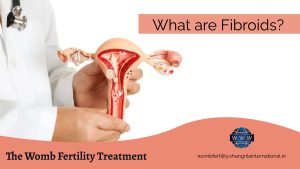
Different types of Fibroids
There was four types of Fibroids
1. Subserosal Fibroids:
Subserosal fibroids project to the outside of the uterus. Some submucosal or subserosal fibroids may be pedunculated. This means they hang from a stalk inside or outside the uterus. Many people who have uterine fibroids don’t have any symptoms.
Symptoms of subsrosal fibroids are a heaviness or fullness in your stomach ,excessive bleeding during your periods, frequent urge to urinate, constipation or bloating, abdominal or pelvic pain ,severe cramps during your menstrual cycles, unexplained weight gain.
A back ache or leg pains.
2. Submucosal Fibroids:
Submucosal fibroids bulge into the uterine cavity. Subserosal fibroids project to the outside of the uterus.
Symptoms of Submucosal Fibroids are painful periods, frequent periods, pelvic pressure or pain, trouble urinating, growing stomach area, constipation, pain during sex.
3. Intramural Fibroids:
Intramural fibroids are non-cancerous growths within the walls of the uterus. These fibroids are often harmless but can cause symptoms including heavy periods or trouble conceiving.
Symptoms of Intramural Fibroids are irregular bleeding during your menstrual cycle, experiencing a sensation of fullness in the lower abdomen, frequent urination, discomfort during intercourse, constipation.
4. Pedunculated Fibroids:
Pedunculated fibroids are benign (noncancerous) growths in the uterus. These fibroids are attached to the uterine wall by a stalk-like growth called a peduncle. The main difference between pedunculated fibroids and other fibroids is the peduncle.
Symtoms of Pedunculated Fibroids are frequent painful episodes as the fibroid gets bigger and more prone to twisting,cramps,ressure in the lower abdomen,heavy periods.