𝐎𝐯𝐮𝐥𝐚𝐭𝐢𝐨𝐧 𝐒𝐲𝐦𝐩𝐭𝐨𝐦𝐬:
Ovulation is the release of a mature egg from the ovary, typically occurring around the midpoint of a menstrual cycle. While some women may not notice specific symptoms, others experience physical and hormonal changes signaling ovulation. Here are the common symptoms of ovulation:
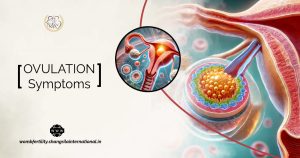
Physical Symptoms:
Change in Cervical Mucus:
Cervical mucus becomes clear, slippery, and stretchy (like raw egg whites).
This change helps sperm travel to the egg and is a key indicator of fertility.
Mild Abdominal Pain (Mittelschmerz):
Some women experience a dull ache or sharp pain on one side of the lower abdomen, depending on which ovary releases the egg.
The pain may last a few minutes to several hours.
Breast Tenderness or Soreness:
Hormonal changes, particularly a rise in progesterone, can cause breast sensitivity or tenderness.
Increased Libido:
Many women notice a heightened sex drive around ovulation, likely due to hormonal shifts.
Bloating:
Hormonal fluctuations may lead to water retention, causing a feeling of bloating.
Spotting or Light Bleeding:
Some women experience slight spotting when the egg is released, often due to a small rupture in the ovarian follicle.
Heightened Sense of Smell or Taste:
Hormonal changes can temporarily make you more sensitive to certain smells or tastes.
Hormonal and Biological Signs:
Rise in Basal Body Temperature (BBT):
A slight increase (0.5–1°F) in body temperature occurs after ovulation due to the release of progesterone. This can be tracked daily with a BBT thermometer.
Change in Cervical Position:
The cervix becomes softer, higher, and more open to facilitate conception.
Luteinizing Hormone (LH) Surge:
Ovulation predictor kits detect an increase in LH, which occurs 24–36 hours before ovulation.
Tracking Ovulation:
Ovulation Predictor Kits (OPKs):
These kits measure LH levels in urine and indicate when you’re likely to ovulate.
Cycle Tracking Apps:
Apps like Flo, Clue, or Glow can help predict ovulation based on cycle data.
Fertility Monitors:
Advanced devices track multiple indicators like BBT and hormone levels.
Duration of Fertility Window:
Ovulation occurs about 14 days before the next period in a typical 28-day cycle but can vary.
The fertile window lasts 5–7 days, with the highest chance of conception on the day of ovulation and the two days before.
If you’re trying to conceive or avoid pregnancy, understanding these signs can be very helpful.